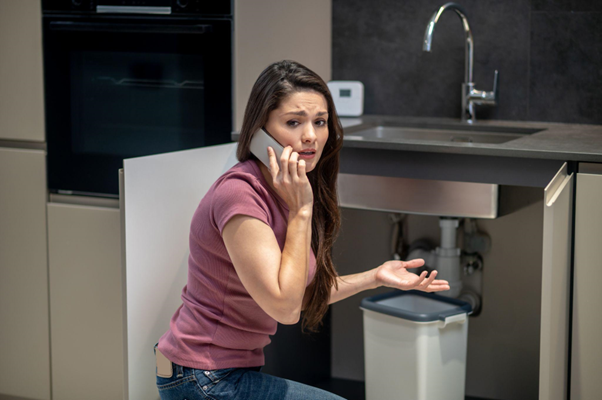
Source: Magnific
A burst pipe, overflowing toilet, or sudden flood under the sink can turn a normal day into a stressful one before you know it. You make the call, but now you have to wait. What should you actually do in those few minutes?
When you contact KC’s 23 ½ Emergency Plumbing Palm Springs, you have already made the most important step: getting professional help on the way. Until the plumber arrives, your goal is simple. Stop the water if you safely can, protect your home, and avoid making the problem worse.
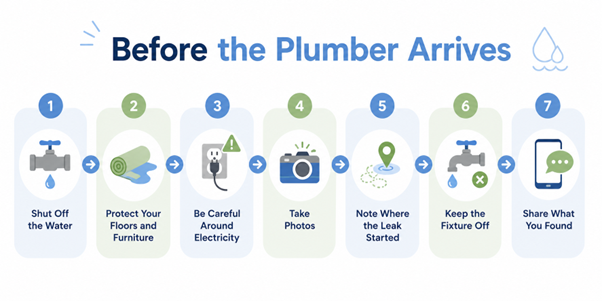
1. Shut Off the Water
The first thing you should think about is the water supply.
A small leak under a sink may only need the valve beside the fixture turned off. For a larger problem (like a burst pipe), you may need to shut off the home’s main water supply.
Look for the main shut-off valve near where the water line enters your home. In some houses, it may be outside or in a garage, basement, utility room, or other service area.
If you cannot find it, don’t waste ten minutes searching for it while water keeps spreading. Ask someone in the home to help you look, or tell the plumber exactly where the leak is and what you can see.
Never force a valve that is stuck. A damaged valve can create another plumbing problem.
Once the water is off, open a nearby faucet for a moment. This can help release some pressure from the pipes.
A useful fact about leaks
The U.S. Environmental Protection Agency says the average household can waste more than 9,300 gallons of water a year from leaks. Even a problem that looks small can waste a surprising amount of water over time.
2. Protect Your Floors and Furniture
Once the water is under control, look around the area.
Move rugs, electronics (if it’s safe), furniture, and anything else sitting near the leak. Use towels, buckets, bowls, or a mop to catch or soak up standing water.
You do not need to make the area spotless. The point is to stop the water from reaching other rooms and causing more damage.
If water has spread across a large area, be careful when walking through it. Wet floors can become extremely slippery.
Also keep children and pets away from the affected room until the area is safe.
3. Be Careful Around Electrical Areas
Water and electricity are a dangerous combination.
If water has reached electrical outlets, power strips, appliances, or electrical panels, do not step into the water to reach them. Do not unplug something while standing in a wet area.
If you can safely switch off the power from a dry location, do so. If you cannot, stay away from the area and tell the plumber what happened when they arrive. Serious electrical issues may require an electrician as well.
This is one situation where waiting is better than taking a chance.
4. Stop Using the Plumbing Fixture
It can be tempting to test the sink, flush the toilet again, or turn the shower on just to see what happens.
Don’t.
If a pipe is leaking, a drain is badly blocked, or a toilet is overflowing, using the fixture can send more water into the system. You already know something is wrong. There is no need to test it five more times.
Leave the fixture alone until the plumber checks it.
The same applies to a clogged drain. Avoid adding more drain cleaner or pouring boiling water down it unless a professional has told you to do so. Different products and plumbing materials do not always mix well.
5. Take a Quick Look at Where the Problem Started
You don’t need to diagnose the plumbing problem yourself. Still, a quick look can help the plumber.
Try to notice where the water first appeared. Is it coming from under the sink? Behind the toilet? From the ceiling? Around the water heater? Is the drain backing up, or is clean water spraying from a pipe?
Take a few photos or short videos if you can do so safely.
This gives you something useful to show the plumber, especially if the leak stops before they arrive. A photo can show what the problem looked like at its worst.
6. Give the Plumber Clear Information
While you wait, write down what you notice. It helps more than you think.
- When did it start?
- What was the first thing you saw or heard?
- Did anything change after you turned the water off?
Just stick to the facts. Say it the way you’d tell a friend. No need to figure out which pipe or part failed. That’s the plumber’s job.
If you live in a rental property, you should also contact the landlord or property manager as required by your agreement. For homeowners, keep your emergency plumber’s contact information somewhere easy to find after the repair is finished.
The Best Thing You Can Do Is Stay Calm
Waiting for an emergency plumber is not much fun. The water is stressing you out. You’re confused and scared.
Still, you don’t need to fix everything before the plumber arrives.
Your job is to control what you safely can. Shut off the water, protect the home, stay away from electrical appliances that you can’t unplug, stop using the damaged fixture, and collect a few useful details.
That’s it.
By the time the plumber arrives, you will have already reduced the chance of more damage and made it easier for them to get started. In an emergency, those few simple actions can make a big difference.
Comprehensive property inspections, such as those conducted by Storm Guard Roofing, give property owners absolute clarity regarding the true health of their building. Experienced technicians look beyond obvious surface wear to assess deeper structural layers, checking roof deck deflection, ventilation balance, and structural framing health.

